
How to Eat More Protein While Traveling in Japan: A Guide for Athletes and Business Travelers
Your flight lands at 7 a.m., your first meeting starts at 9, and lunch is whatever you can grab in between. Sticking to your usual diet on the road isn't easy, whether you're traveling for business, training or competition.
In Japan, finding protein on the go is easier than you might expect. Convenience stores, hotel breakfasts and restaurants offer plenty of protein, from chicken, eggs and fish to tofu and protein drinks.
One thing to keep in mind: the product with the highest protein content isn't always the best pick. Look at the balance of protein, fat and carbohydrates too, especially on busy or physically demanding days.
Look at the Whole Meal, Not Just Protein
A food can be high in protein and also high in fat, sugar or calories. Fish is a good example. It's an excellent source of protein, but the fat content varies a lot from one type to another.
Rather than choosing food based on protein alone, look at the balance of the whole meal.
For example:
Protein + carbohydrate + vegetables (or another side)
This gives you a more balanced meal than relying on one high-protein product alone.
Convenience Stores: Your Fastest Option
When you have an early start or ten minutes between meetings, a convenience store is the easiest place to find protein in Japan.
FamilyMart, for example, prints the protein content right on the packaging. Some of its sandwiches contain around 20 g of protein per pack.
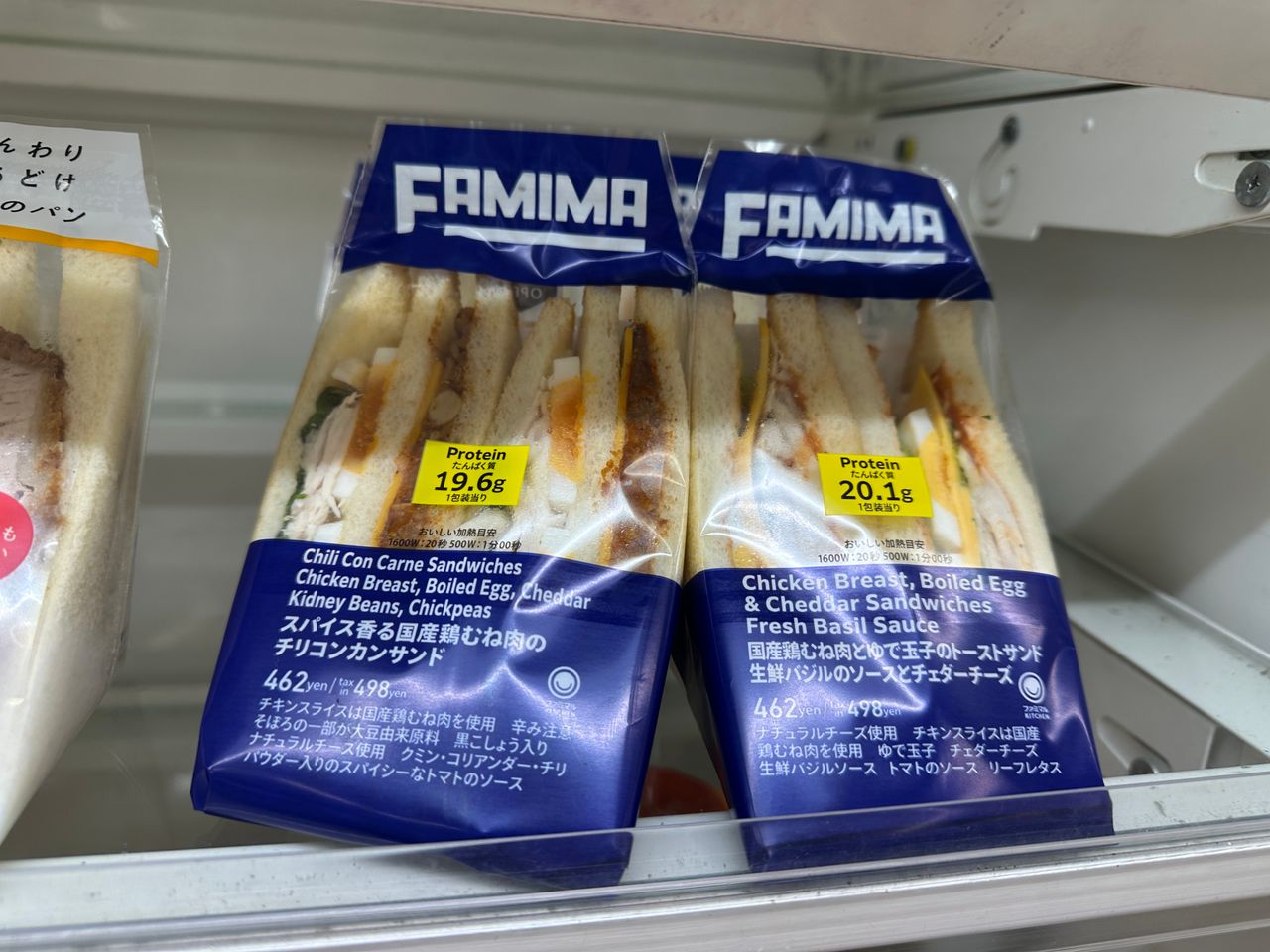
Figure 1: FamilyMart sandwiches with 19.6 g and 20.1 g of protein per pack.
Other easy picks include:
- Salad chicken
- Boiled eggs
- Egg snacks
- Greek yogurt
- Protein drinks
- Protein bars
- Nuts
- Soy milk
- Fish products
- Tofu and soy products
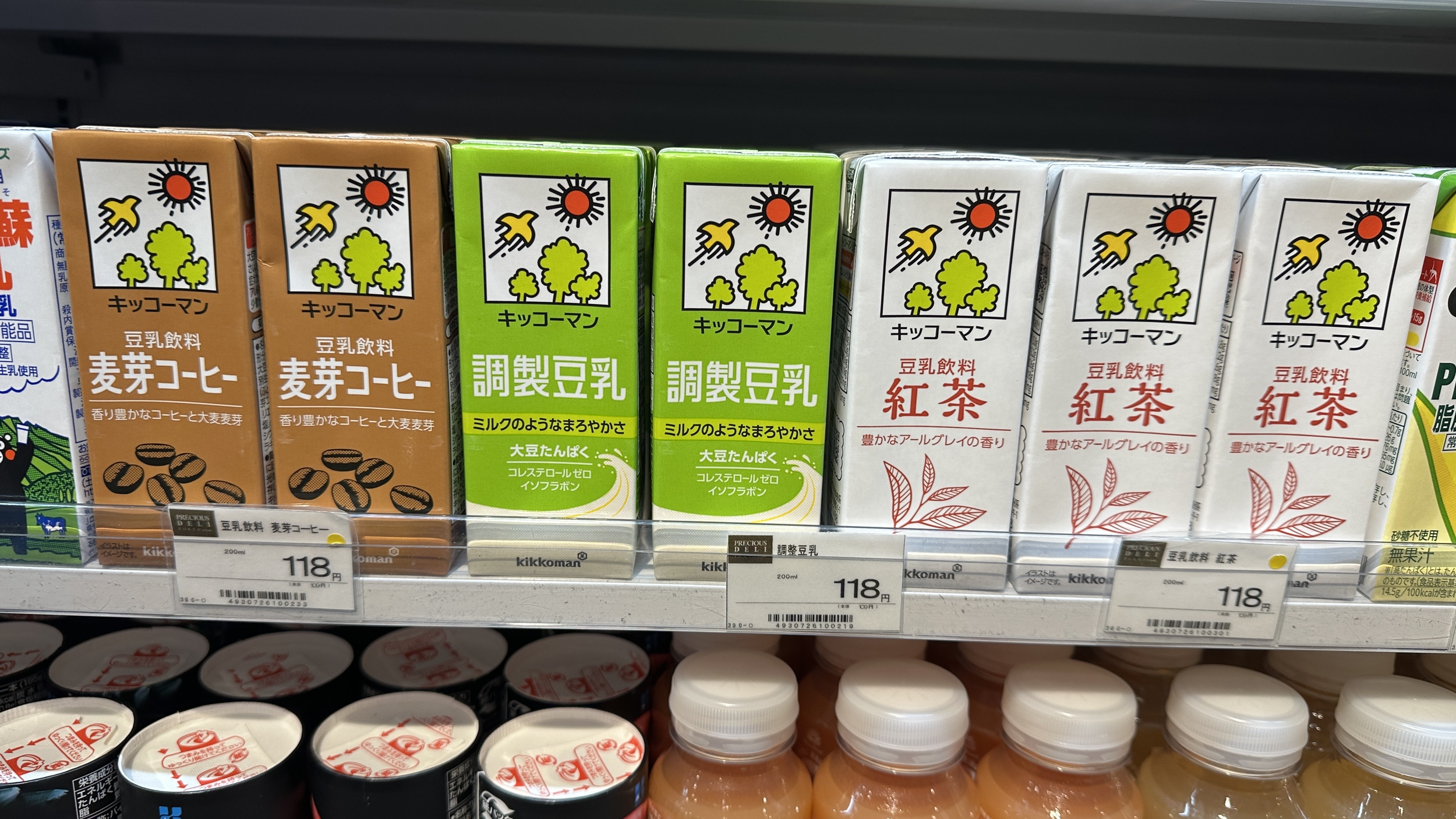
Figure 2: Soymilk from the store closest to the Shinkansen entrance on the Yaseu North Side of the station, Precious Deli Tokyo.
Soy milk is also available at some vending machines, so it can be an easy option when you're travelling between stations or meetings.
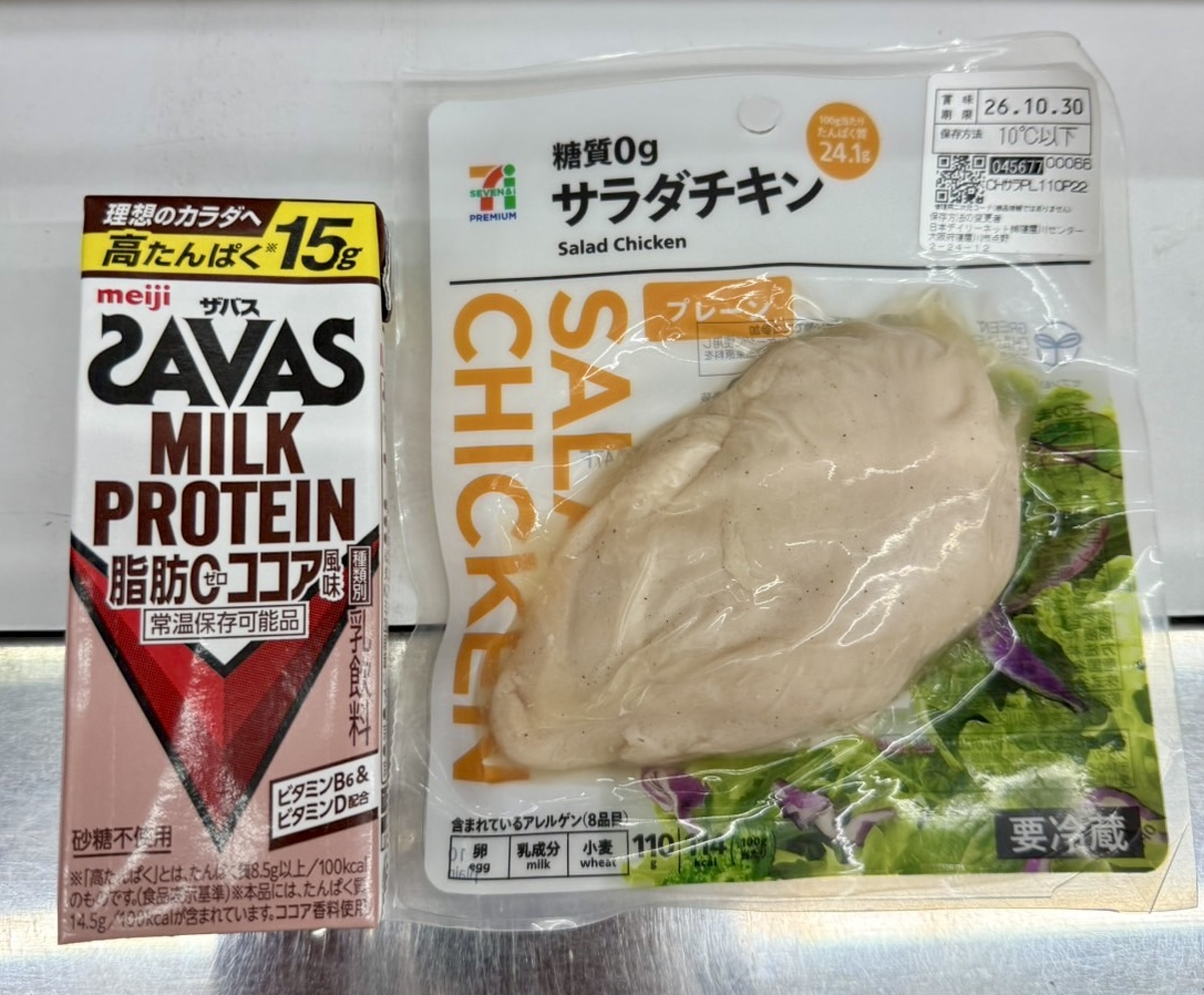
Figure 3: SAVAS protein drink with 15 g of protein and salad chicken with 24.1 g of protein.
You can also add a side dish such as octopus, edamame and broccoli salad for some extra protein (5.2 g) and vegetables.
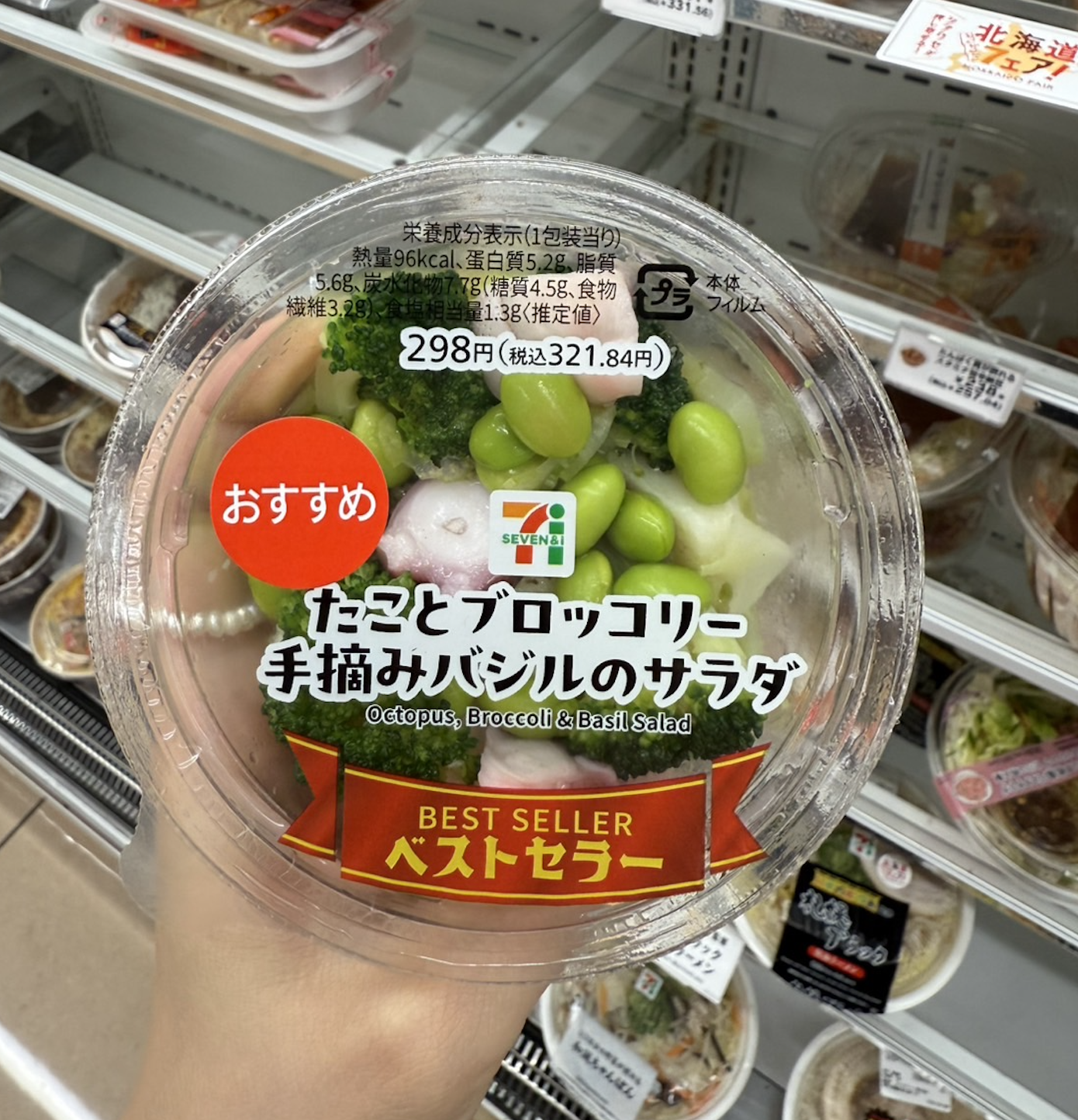
Figure 4: Octopus, edamame and broccoli salad from 7-Eleven, with 5.2 g of protein per pack.
Don't stop at one item. Combine two or three:
Salad chicken + rice ball + boiled egg
or
Protein drink + sandwich + fruit
You get protein and carbohydrates in one go.
How to Read Japanese Nutrition Labels
Most labels are in Japanese only, but you only need a few words:
- たんぱく質 or 蛋白質 — Protein
- 脂質 — Fat
- *炭水化物 — Carbohydrates
- 食塩相当量 — Salt equivalent
- エネルギー or 熱量 — Energy / Calories
*Some Japanese labels also separate carbohydrates into 糖質 (available carbohydrates) and 食物繊維 (dietary fibre).
Before you compare two products, check what the numbers are based on. Some labels show values per 100 g, others per serving, per item or per pack. If you compare a "per 100 g" label with a "per pack" label, you’ll misread which product is the better option.
Rice Balls: Try Barley and Edamame
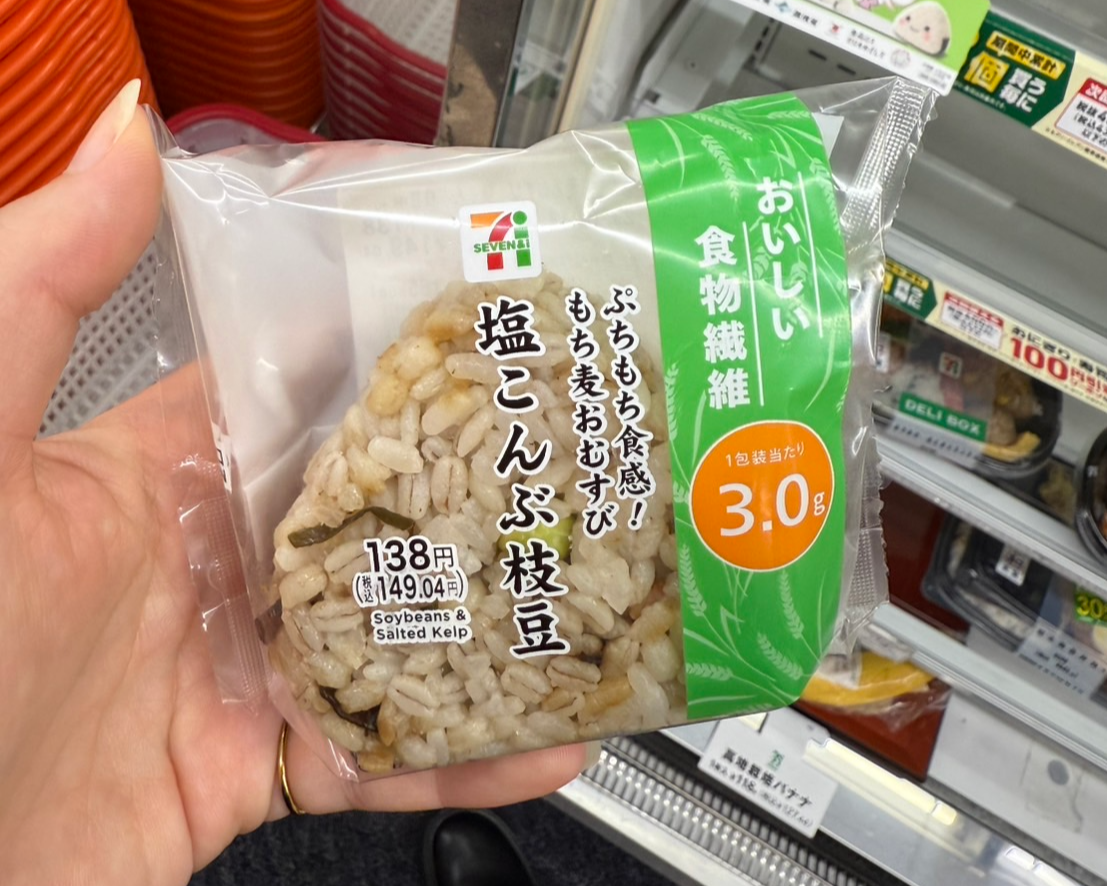
Figure 5: A barley rice ball with edamame and salted kelp from 7-Eleven.
Onigiri are one of the easiest carbohydrate sources. Convenience stores such as 7-Eleven sell versions made with barley, edamame and salted kelp.
This one contains 165 kcal, 4.7 g of protein, 1.6 g of fat and 34.3 g of carbohydrates, making it a useful low-fat carbohydrate option. Pair it with chicken, eggs, fish or a protein drink to add more protein.
Make the Most of Your Hotel Breakfast
A hotel breakfast buffet is a good chance to eat a balanced meal before a long day. Look for:
- Eggs
- Grilled fish
- Yogurt
- Tofu
- Natto (fermented soybeans)
- Rice
- Miso soup
- Vegetables and fruit
Pick one or two protein sources, add rice and some vegetables.
For example:
Eggs + grilled fish + rice + vegetables
or
Yogurt + eggs + fruit + bread
It’s especially useful on days with long meetings, site visits or little time for lunch.
Eating Out: Restaurants That Work for Protein
You don't have to rely on convenience stores for the whole trip. Many Japanese restaurants make it easy to build a protein-focused meal.
Sushi and Sashimi
Tuna, salmon and mackerel are all good protein sources, but their fat content differs. If you have a choice, leaner fish such as flounder or sea bream can be good options. For tuna, look for akami, the lean red part of the fish. Also pay attention to how much rice you're eating.
Yakitori
Ordering by the skewer makes portion control easy. For leaner options, go for chicken tenderloin (sasami) or gizzard (sunagimo). If you see 塩 (shio) and たれ (tare) on the menu, these are the two common seasoning options. Choose shio if you want to keep the seasoning simpler, as tare often adds extra sugar and calories.
Steak, Yakiniku and Jingisukan
Fat content varies a lot between cuts, so choose the cut as carefully as the portion size. Jingisukan, Japan's grilled lamb dish, is another protein-rich choice, especially with leaner cuts.
Shabu-Shabu and Sukiyaki
Hotpots give you meat, tofu and eggs in one meal, and shabu-shabu makes it easy to add vegetables. Sukiyaki uses a sweeter sauce, so keep that in mind if you're watching sugar or calories.
Tofu and Yuba
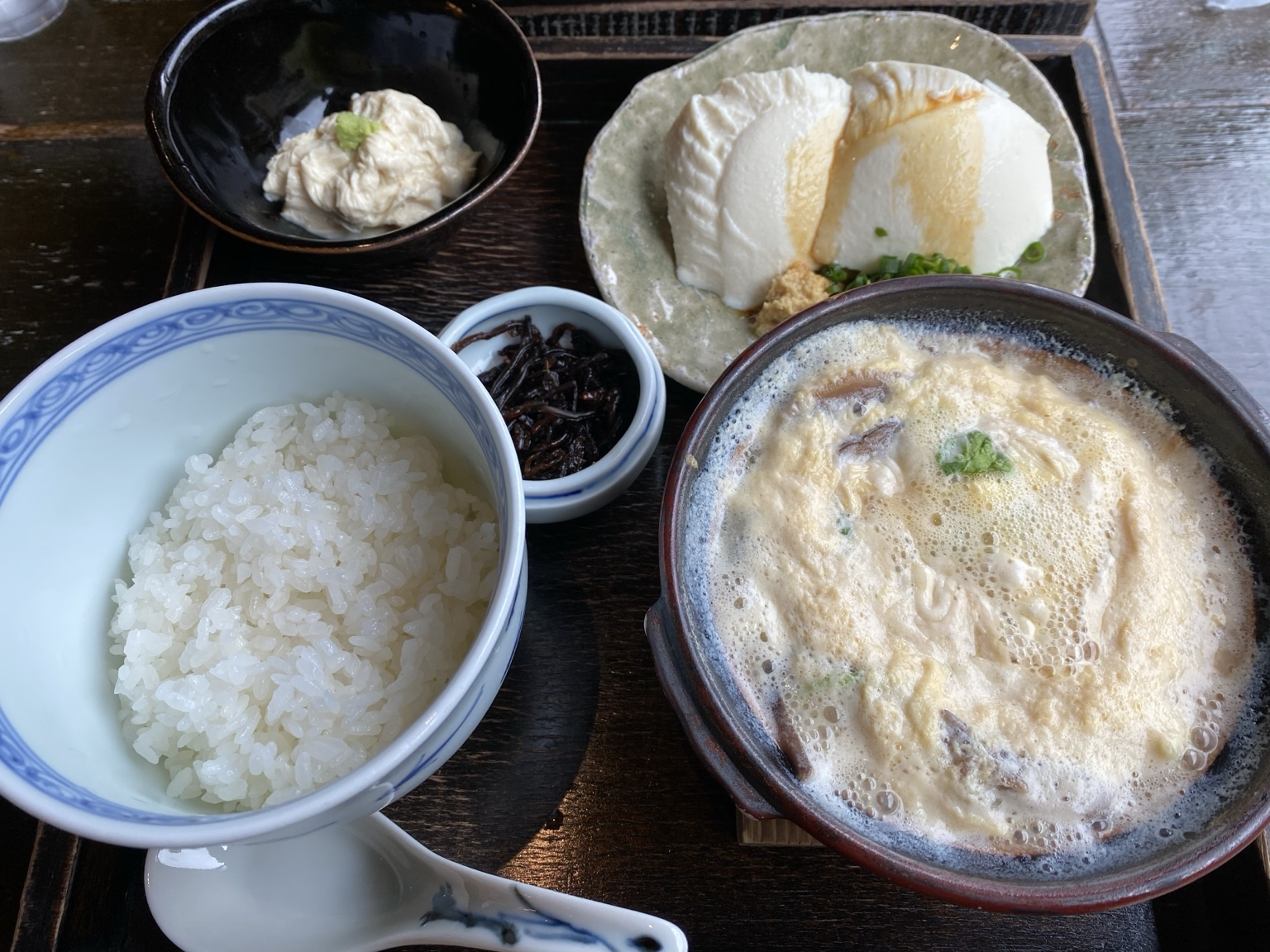
Figure 6: Tofu and yuba served at a Japanese restaurant.
Tofu and yuba (the thin skin that forms on heated soy milk) are good plant-based protein sources.
What About Business Dinners?
If the meal is a set course, you may not be able to change every dish, so focus on the portions you can control.
A typical kaiseki dinner is a traditional multi-course Japanese meal. It often includes several small dishes, such as sashimi, grilled fish, vegetables and a meat course such as beef.
Look for protein-based dishes such as sashimi, grilled fish, yakitori, tofu, eggs or meat. Then decide how much rice, fried food, sauce or dessert works for you.
Don't Forget Carbohydrates
Protein won't carry you through a long day by itself. Carbohydrates matter for training, long travel days and schedules with a lot of walking.
100% Buckwheat Soba
Look for 十割 (juwari) on the menu or sign. It means the noodles are 100% buckwheat.
Yakiimo
Roasted sweet potato is a convenient carbohydrate source, and Japan's versions are famously soft and sweet, sometimes almost syrupy. They're very satisfying, but keep an eye on portion size if you're tracking your intake.
Other good options include rice, barley rice balls, rye bread and plain bagels.
Add Some Variety
Eating well on the road doesn't mean plain chicken and rice every day.
Kimchi goes well with eggs, grilled meat and tofu and adds a lot of flavour. Vegetables, seaweed, soup and fermented foods keep meals interesting too.
If you'd like to try something uniquely Japanese, look for protein matcha, which combines matcha with protein powder, or protein-enhanced miso. You can also try zunda (made from edamame) in sweets and shakes. For something even more unusual, there are silkworm-based matcha products too.
Plan Ahead for Long Transfers and Busy Days
Travel days are often the hardest to plan around: an early airport transfer, hours in a vehicle, back-to-back meetings or a late hotel arrival. When all you want is to sit down, finding the right food gets pushed aside.
Whenever you can, prepare food and drinks before you leave. This is especially useful for athletes moving between training or competition venues, and for business travelers moving between meetings, factories, hotels and events.
Let TokudAw Stock Your Car
With a private vehicle from TokudAw, you don't have to hunt for a convenience store between meetings. Tell us what you'd like, such as protein drinks, water or snacks, and we'll have it in the car before you set off.
Just let us know your preferences when you book, and we'll help coordinate suitable items in advance.
Planning food and transport together means less time searching for something to eat and more time focusing on your day in Japan.